Organic waste accounts for 80% of the total volume of waste generated at Cooxupé. All of this is sent to a partner company, which uses the waste as a noble raw material in the production of organo-mineral fertilizer. Once the fertilizer is ready, it goes back to our members' crops, promoting vigor in the plants and new fruit in the coffee plantations. Nothing is wasted, everything is 100% reused.
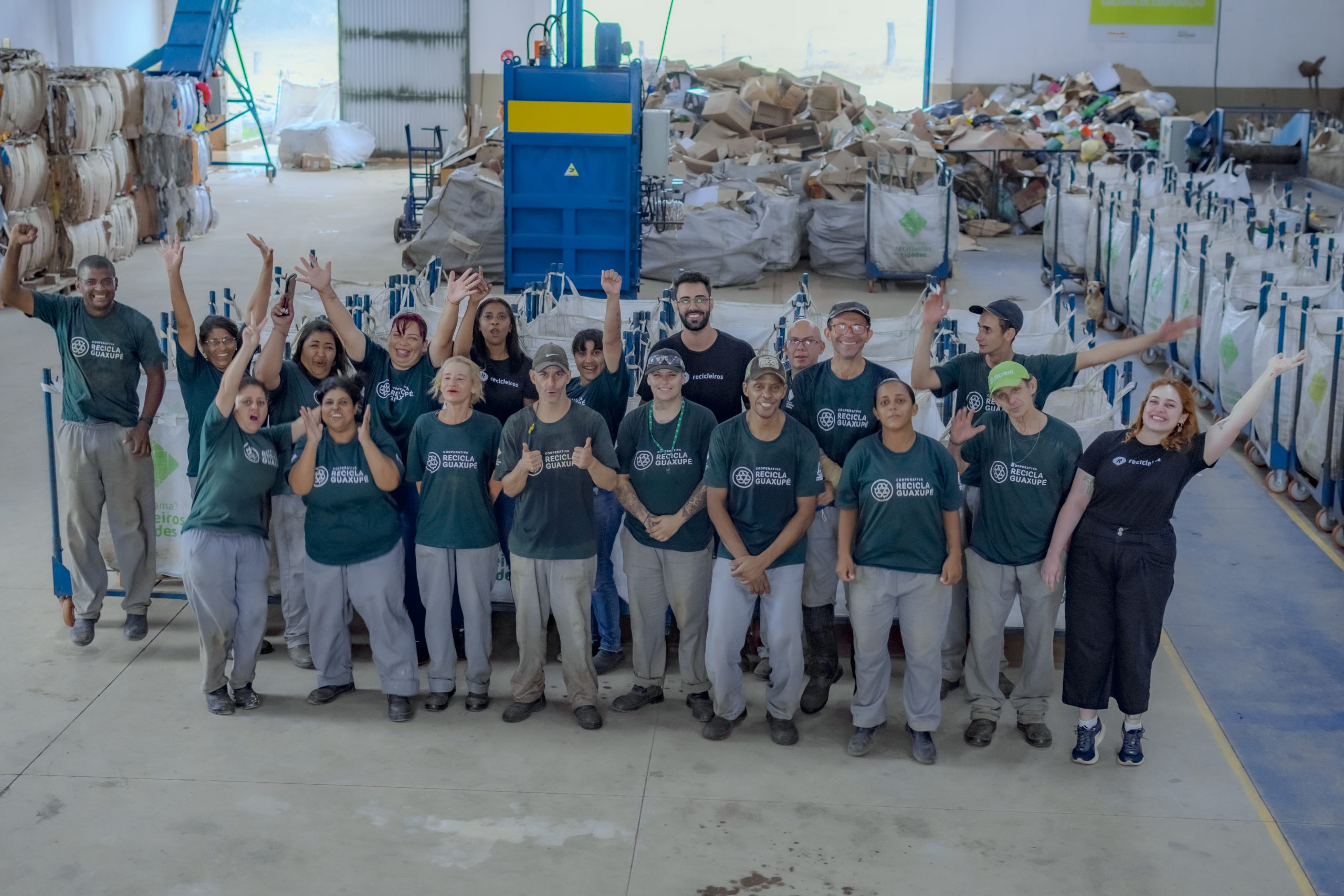
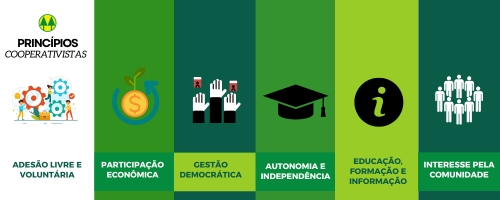
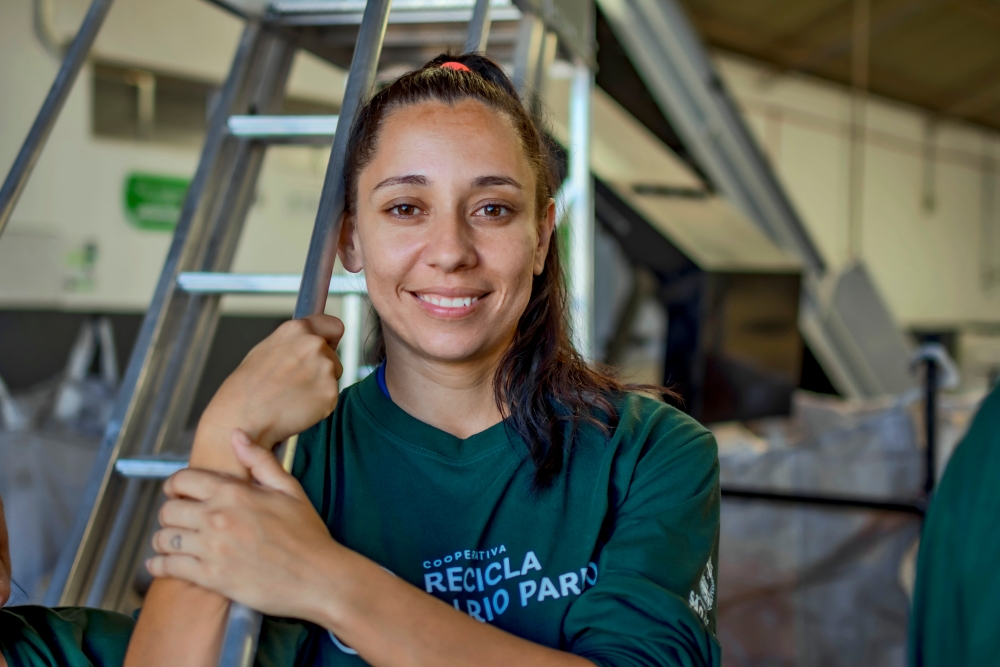
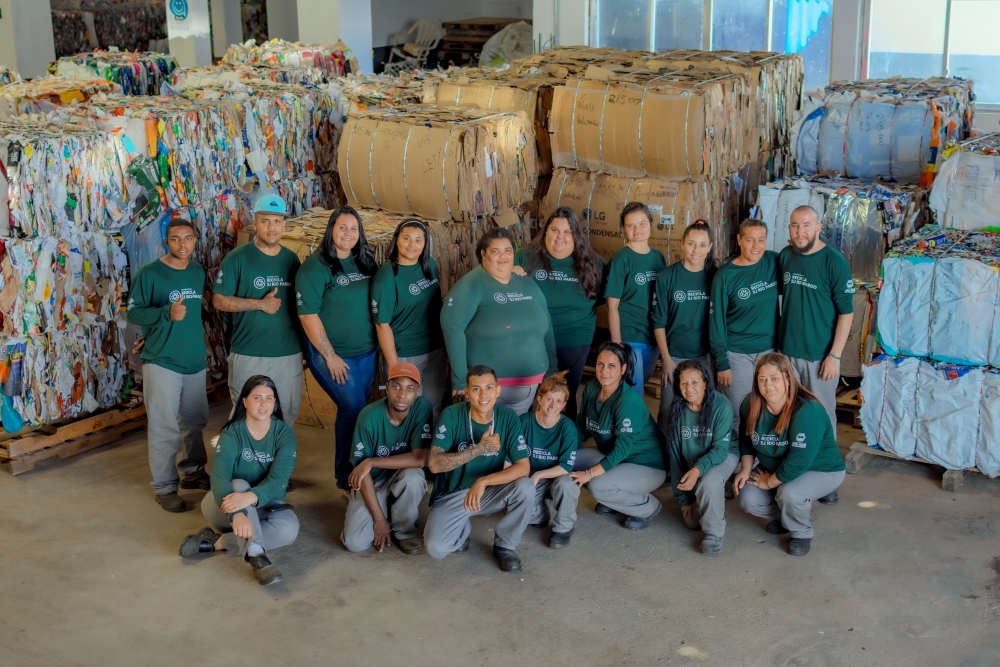
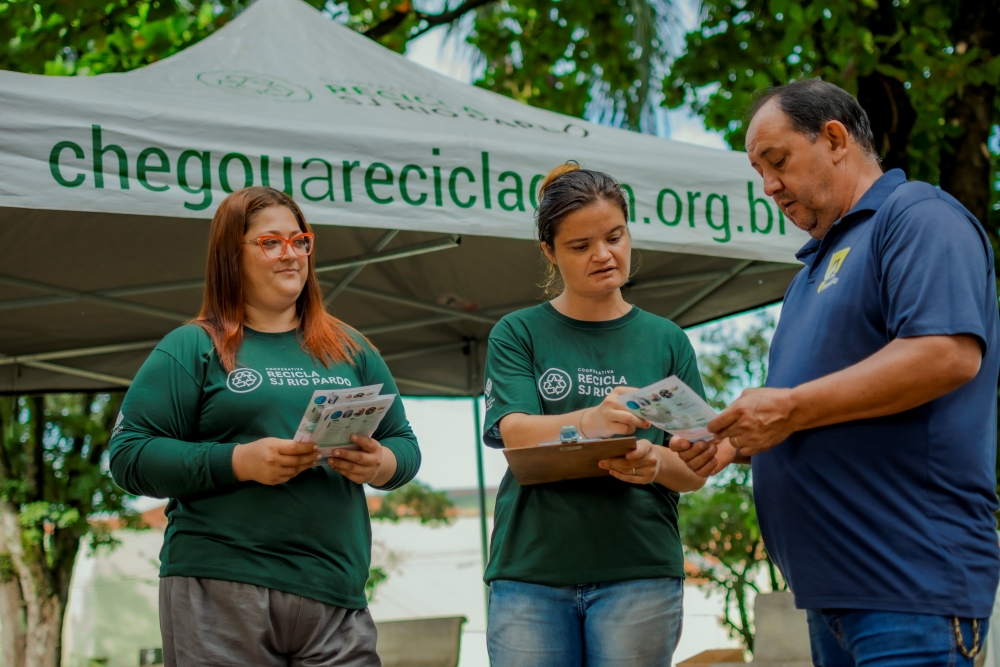
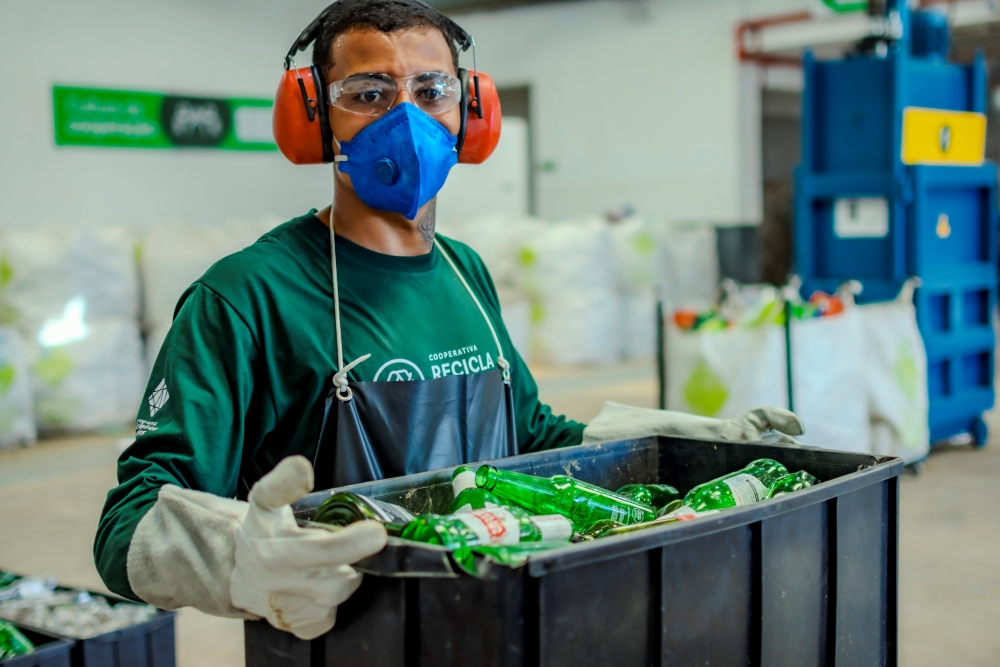
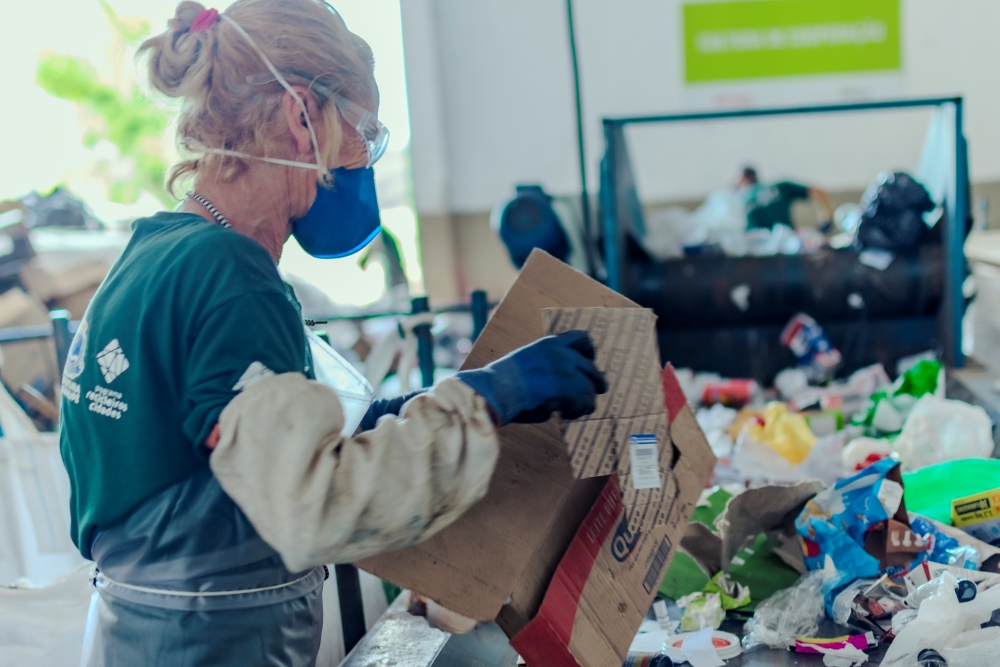
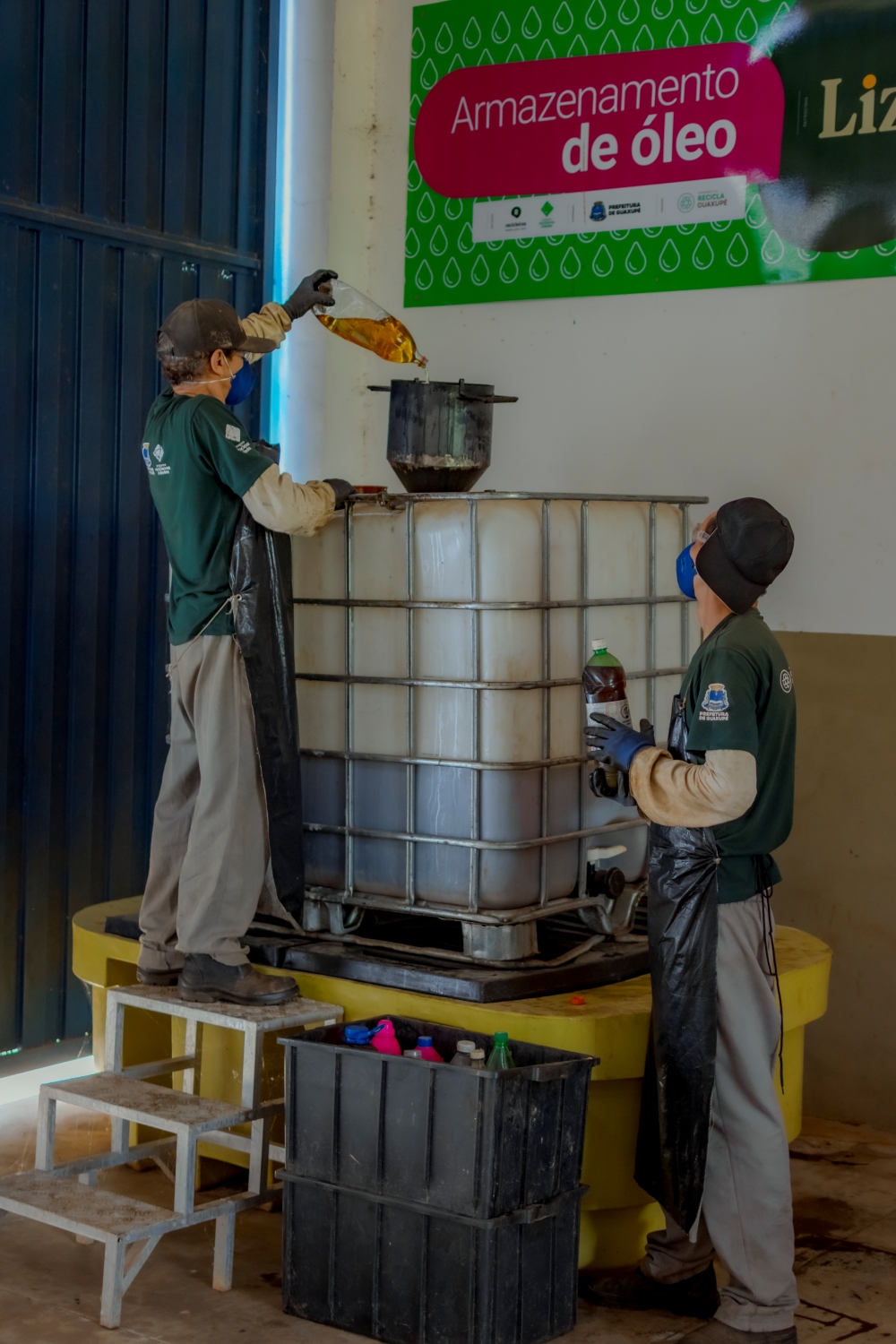
In an effort to promote the cooperative principle of inter-cooperation, Cooxupé has established partnerships with recycling cooperatives in Guaxupé, São José do Rio Pardo and Monte Carmelo.
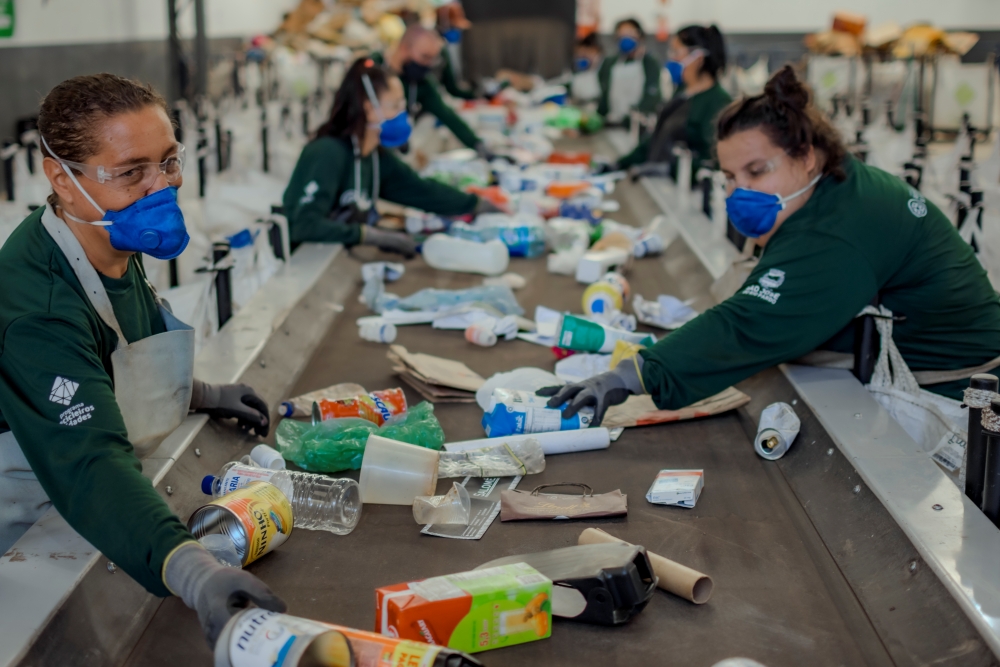
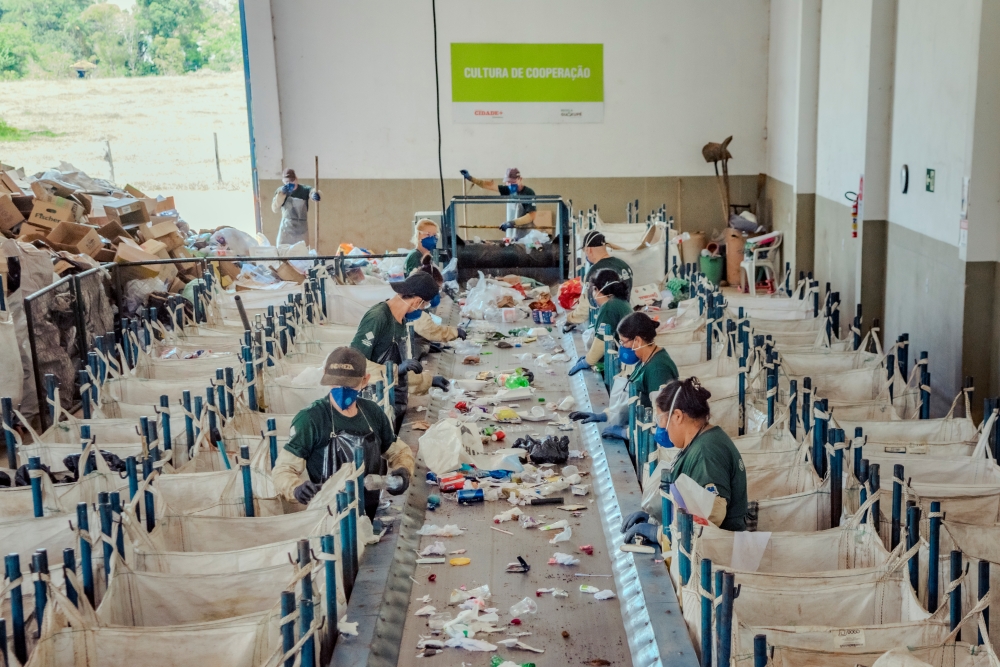
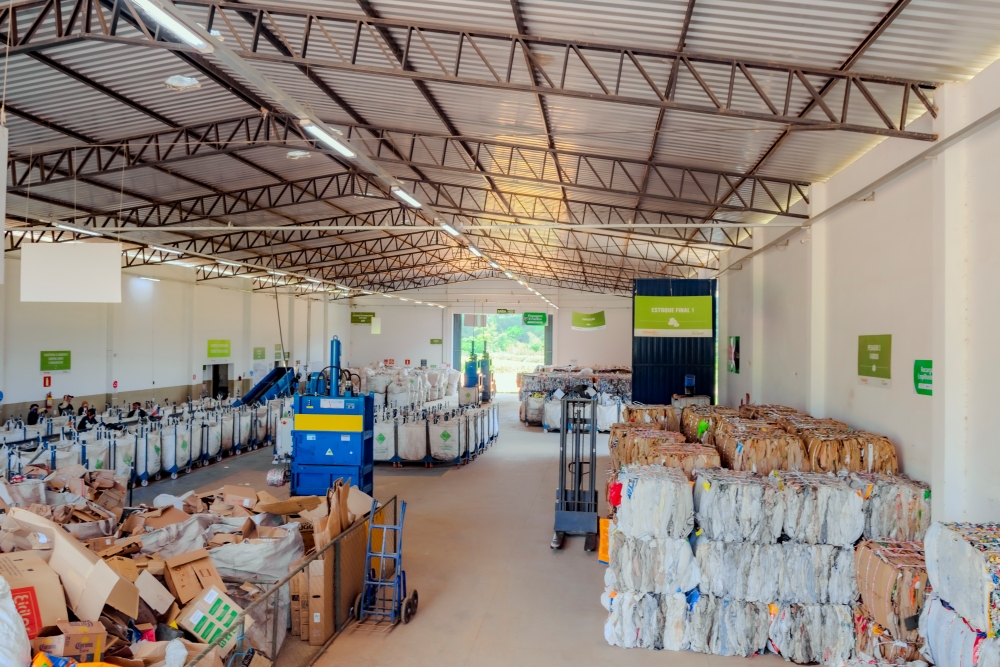
By sending recyclable waste to these institutions, in addition to ensuring that these materials are properly disposed of, it also helps to generate work and income for the cooperative members who work there.
The partnership with Cooperativa Recicla Guaxupé began in 2020.
The partnership with Cooperativa Recicla São José do Rio Pardo began in 2023, the year of the inauguration.
The partnership in the city of Monte Carmelo began in 2025 and is currently under development.